


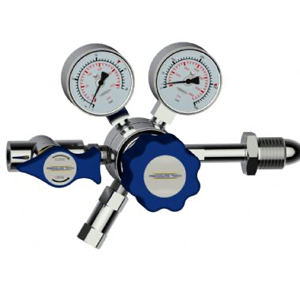
What a Pressure Regulator Does and why selection matters
A pressure regulator maintains controlled pressure in a system by balancing forces within the regulator. In general industrial and analytical systems, regulators are typically used in two ways:
- Pressure reducing regulators to decrease high inlet pressure to a stable, lower outlet pressure.
- Back pressure regulators to control upstream pressure by opening as inlet pressure rises above a setpoint.
Selecting the wrong type, the wrong pressure range, or the wrong flow capability can lead to inefficient performance, frequent troubleshooting, and potential safety hazards—this is why reputable regulator selection guidance emphasizes defining duty, pressures, temperature, media, and flow requirements early.
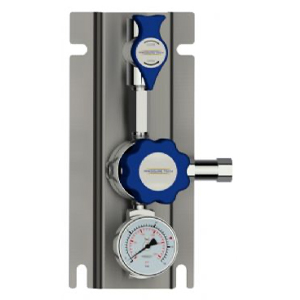
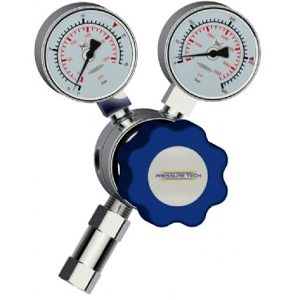
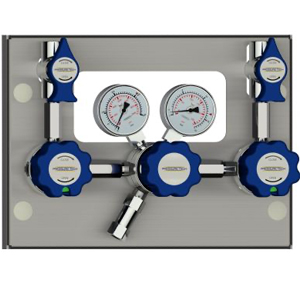
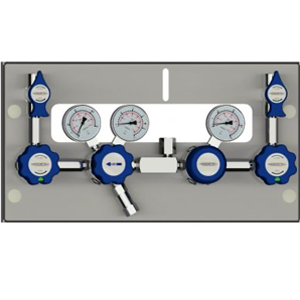
Pressure Tech Regulator Range Supplied by Fluidline (by application)
Fluidline supplies Pressure Tech regulators across Africa for gas, liquid and hydraulic service, including application specific hydrogen regulator solutions.
Instrumentation & Analyser Regulators
Designed for precise regulation where stable control is required, the instrumentation and analyser range includes diaphragm sensed elements (including Inconel® X750 designs) and extends to ATEX certified heated regulator options for specialised duty.
High Pressure Regulators (CV 0.06–0.2)
The high pressure range is described as piston sensed pressure regulators with precision machined and supported sensor elements, covering pressures up to 1,034 bar (15,000 psi), with port sizes from 1/8″ to 3/8″. The published application set includes gases such as oxygen, carbon dioxide, natural gas, methane, ammonia, argon, nitrogen and helium, with degreased options referenced for oxygen service.
Hydraulic Pressure Regulators
The hydraulic range is described as piston sensed regulators with precision machined sensing elements for control to 1,380 bar (20,000 psi). Options include self venting with captured vent ports, with port sizes from 1/4″ to 3/4″, and ratio or dome loaded configurations.
Hydrogen Regulators (application specific range)
The hydrogen regulator range is published for applications including vehicles, drones, forklifts, refuelling stations, buses/trucks and electrolysers, and includes the EC79 approved AUTO438 regulator and the TPED approved CV414 SC cylinder valve.
Hydrogen Refuelling & Hydrogen Systems — Why the Regulator Choice Matters
In hydrogen refuelling stations, the pressure regulator is described as the critical component between high pressure storage and the dispensing nozzle, reducing and controlling pressure to help prevent over pressurisation and overheating during filling.
Pressure Tech’s hydrogen refuelling content highlights RF1034 as a duty specific solution for refuelling applications, with published pressure capability up to 1,034 bar and Cv options 0.5 or 1.0 with design context referenced to SAE J2601 and ISO 19880 3 requirements.
Regulator Selection Checklist
When specifying a regulator, selection should be driven by the operating requirement—not by “catalogue matching.” A practical selection checklist includes:
- Function: pressure reducing or back pressure control
- Pressures: minimum/maximum inlet pressure and the required outlet/control range
- Media: gas vs liquid behaviour and materials compatibility
- Flow requirement: performance across the operating range (not just maximum Cv)
- Temperature & environment: including heated options where required for duty stability
- Venting & integration: non venting vs self venting/captured venting and port configuration to match the system
Fluidline’s Pressure Regulator Quality Discipline (6 Steps)
In pressure regulation, reliability is achieved through correct regulator selection, correct sizing, and correct integration into the system. Choosing the wrong regulator type or sizing for the wrong operating conditions can lead to instability, inefficiency, repeated troubleshooting, and potential safety risk.
1. Define the duty (what must be controlled)
We confirm whether the application requires pressure reducing (downstream control) or back pressure regulation (upstream control), because the function determines the correct regulator category and system behaviour.
2. Confirm operating conditions (pressure, media, temperature)
Selection is grounded in min/max inlet pressure, required outlet/control pressure range, gas vs liquid behaviour, operating temperature, and materials compatibility.
3. Size for control performance (not just maximum Cv)
Regulators control pressure and must be sized for stable pressure control across the operating flow range, not simply for maximum flow capacity. Performance based selection considers pressure control behaviour across flow demand.
4. Match the regulator technology to the application class
We align selection to the correct Pressure Tech family: instrumentation/analyser, high pressure, hydraulic, or hydrogen duty, based on published application ranges on your site.
5. Configure integration details (venting, ports, cleanliness, actuation)
We confirm integration details that drive successful installations: port configuration, venting requirements (including captured/self venting where applicable), and cleanliness requirements for critical services such as oxygen duty where degreased options are referenced.
6. Deliver an application ready solution across Africa
Fluidline supplies Pressure Tech regulators across Africa as the exclusive distributor in Sub Saharan Africa, supporting pressure control from 0.1 bar to 1,380 bar (20,000 psi) and port sizes 1/8″ to 3″, with application based guidance for correct specification.
For hydrogen systems, your published content positions the regulator as a performance and safety decision within refuelling infrastructure and duty specific hydrogen applications.
Why Choose Fluidline
Fluidline supplies Pressure Tech regulators across Sub Saharan Africa as the exclusive distributor, supporting selection across instrumentation, analyser, hydraulic, high pressure and hydrogen duty applications.
Fluidline also positions itself as a complete instrumentation solutions supplier (fittings/valves/regulators/tubing capability), reducing multi vendor risk and improving compatibility in project and maintenance environments.
Need a pressure regulator for gas, liquid, hydraulic, or hydrogen duty?
Speak to Fluidline for pricing, availability, and practical guidance on selecting the correct regulator type, pressure range, and configuration for your application across Africa.